


cdsenet
915MHz 2.4G 4.8G Antenna 3dBi Rubber Rod for Equipment Cabinet Logistic Fleet Property Security Taxi Fleet
915MHz 2.4G 4.8G Antenna 3dBi Rubber Rod for Equipment Cabinet Logistic Fleet Property Security Taxi Fleet
10000 in stock
Couldn't load pickup availability
SKU:TX915-JZ-5


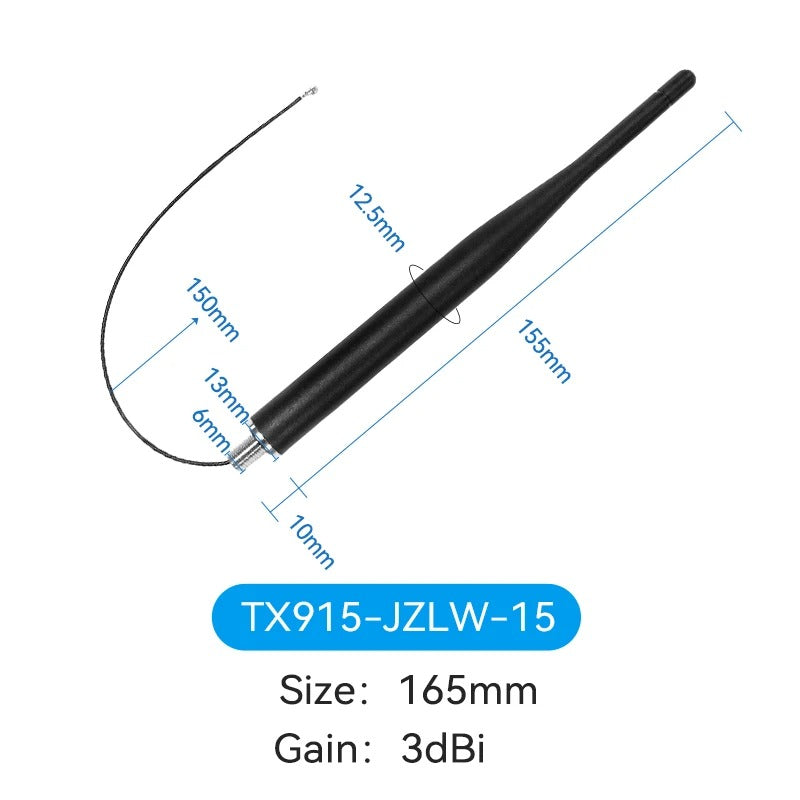
The TX915-JZ Series offers highly efficient, omnidirectional rubber rod antennas (often called "rubber duck" antennas) specifically tuned for the 915MHz ISM band. These antennas are essential components for LoRa, LoRaWAN, Helium (HNT), and general sub-GHz IoT communication networks operating in the Americas, Oceania, and parts of Asia.
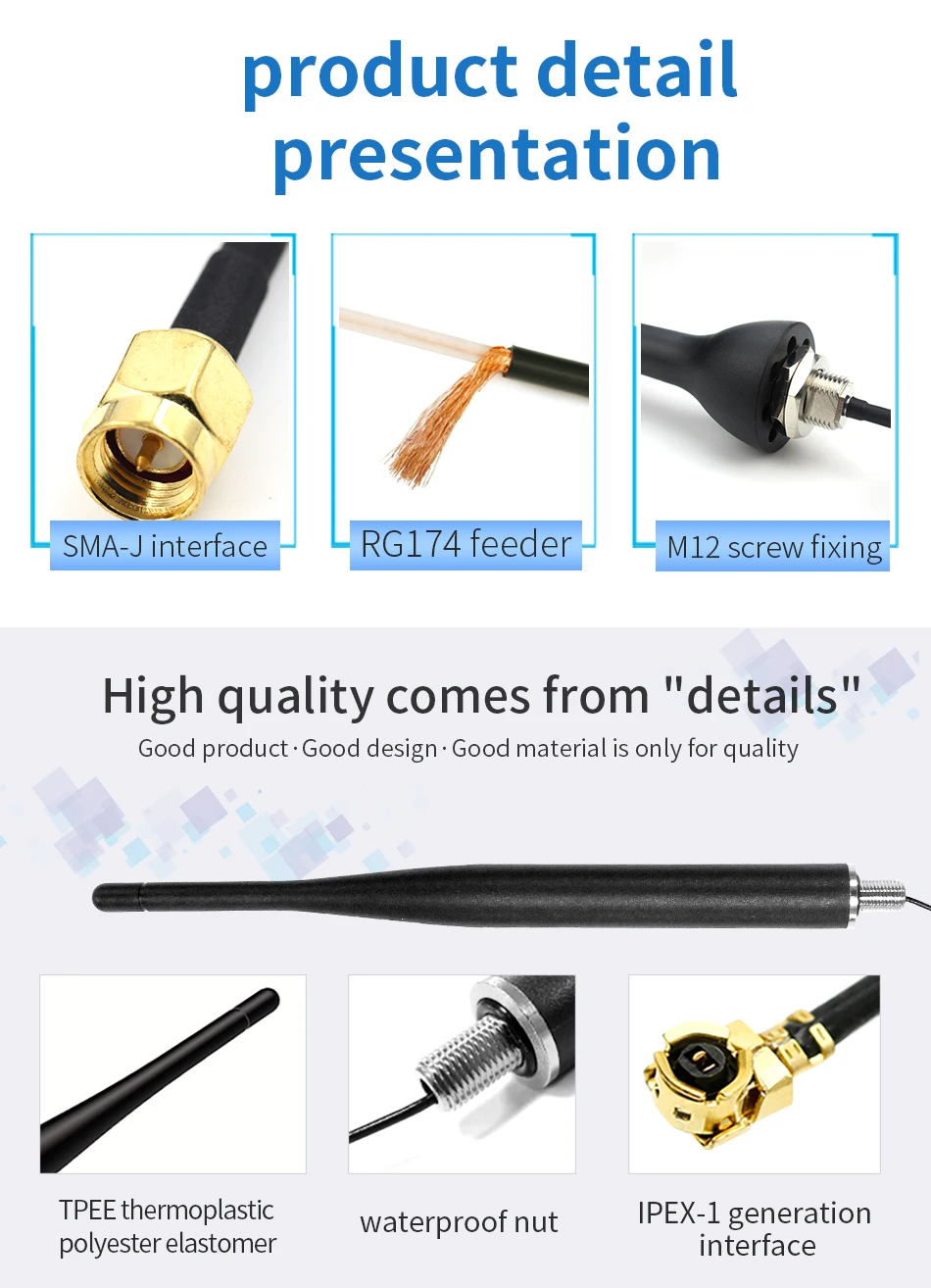
The series provides flexible integration options tailored to your hardware design. Whether you need a rugged, external SMA-J connection for a metal gateway chassis or a versatile, internally routed IPEX-1 (U.FL) cable for compact plastic enclosures, the TX915-JZ series ensures a low VSWR (≤1.5) and stable gain to maximize your wireless transmission range.
Series Specification Comparison
Select the optimal 915MHz variant based on your device's interface and spatial constraints:
| Model SKU | Gain | Length | Frequency Range | Connector Type | Weight |
|---|---|---|---|---|---|
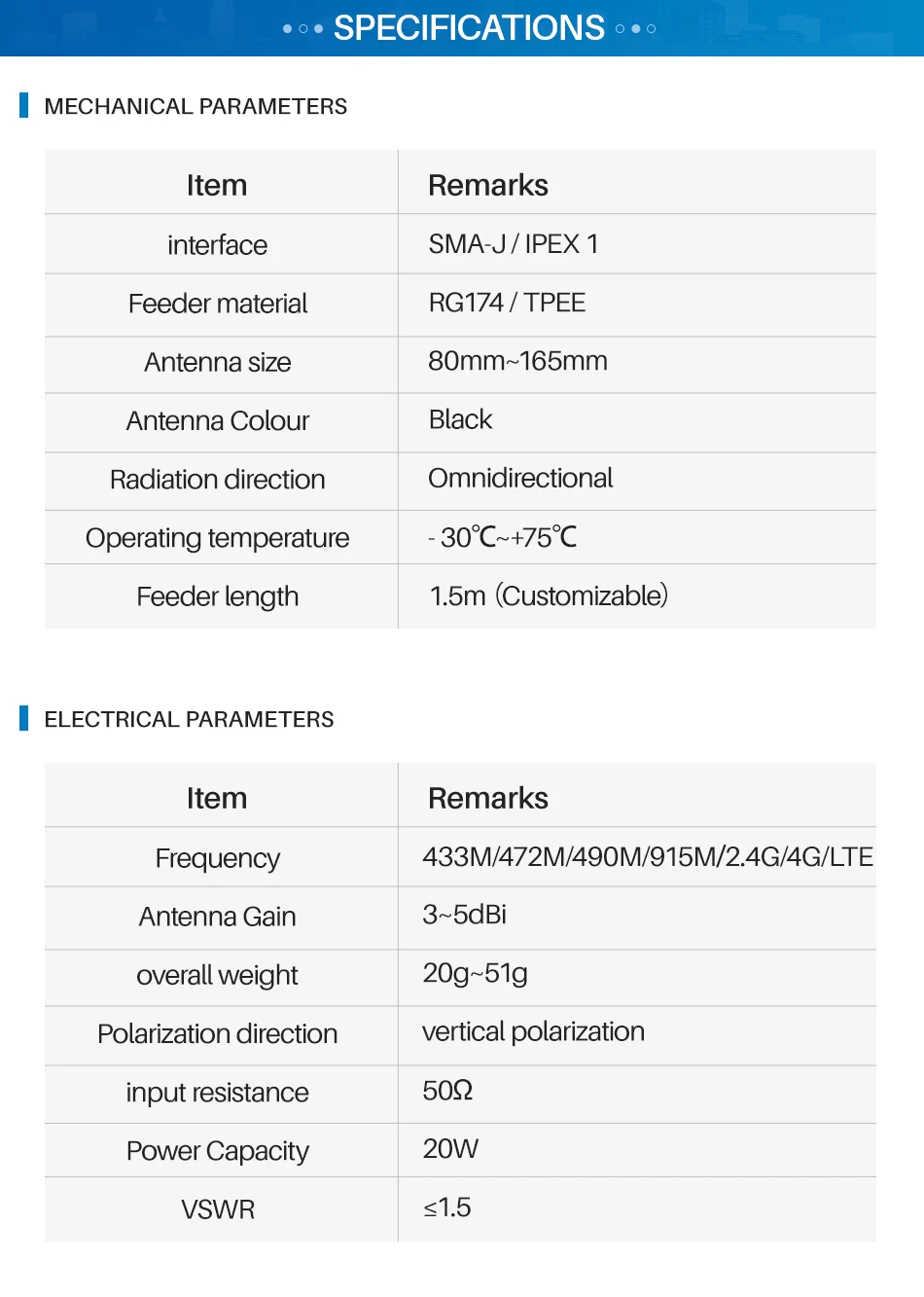
| TX915-JZ-5 | 2.0 dBi | 52 mm | 895–935 MHz | SMA-J (Male) | 6g |
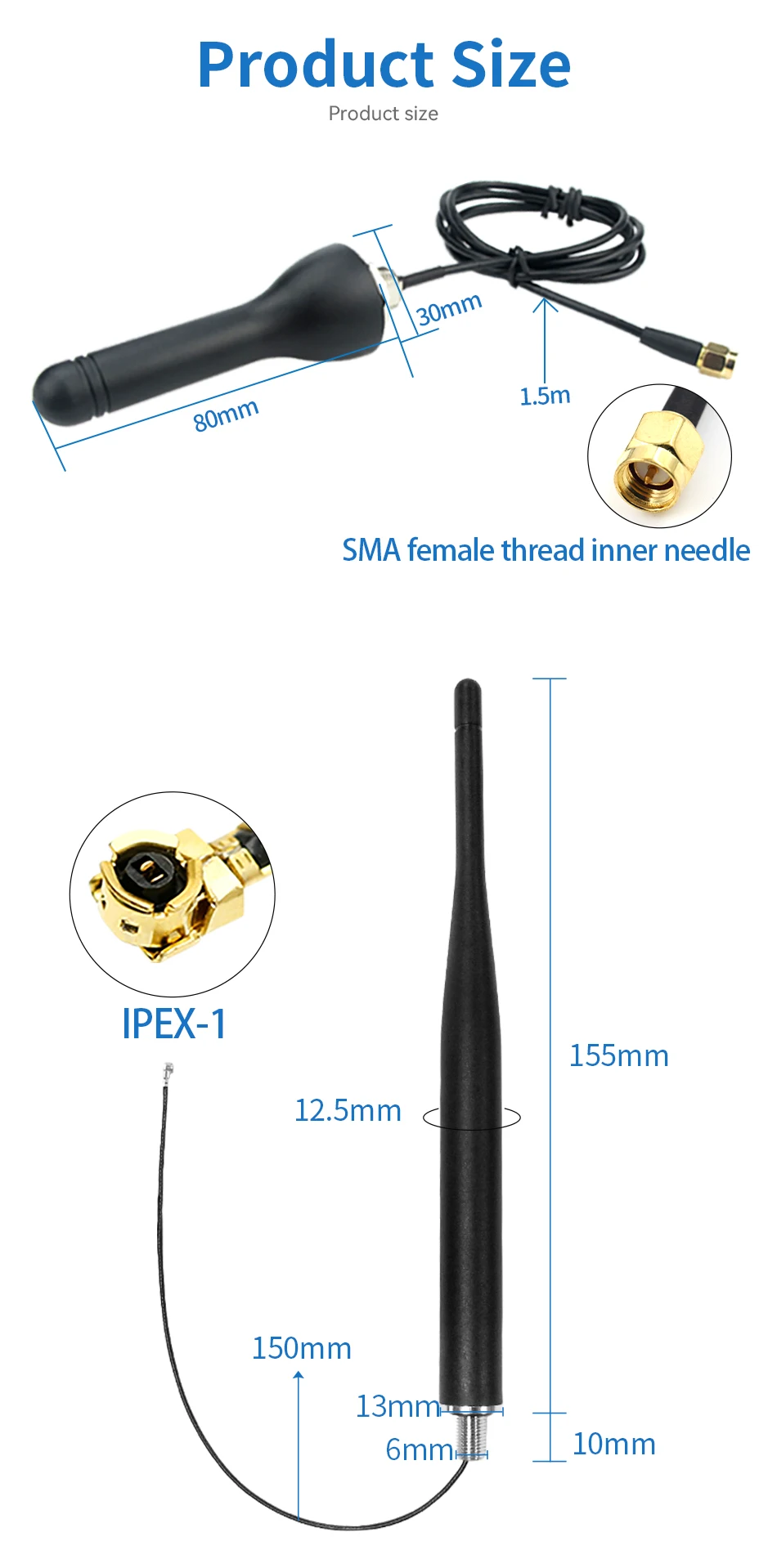
| TX915-JZLW-15 | 3.0 dBi | 165 mm | 868–955 MHz | IPEX-1 (U.FL) | 20g |
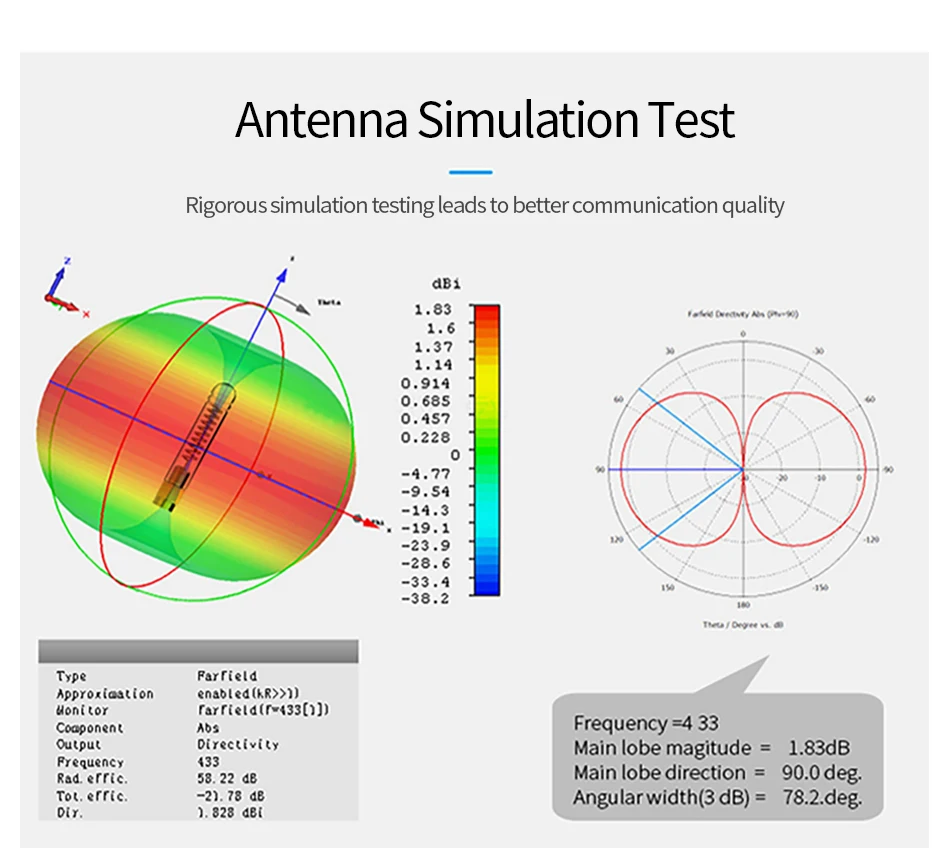
*Note: Both models feature 50Ω impedance, omnidirectional radiation, and a durable rubber/TPE radome.
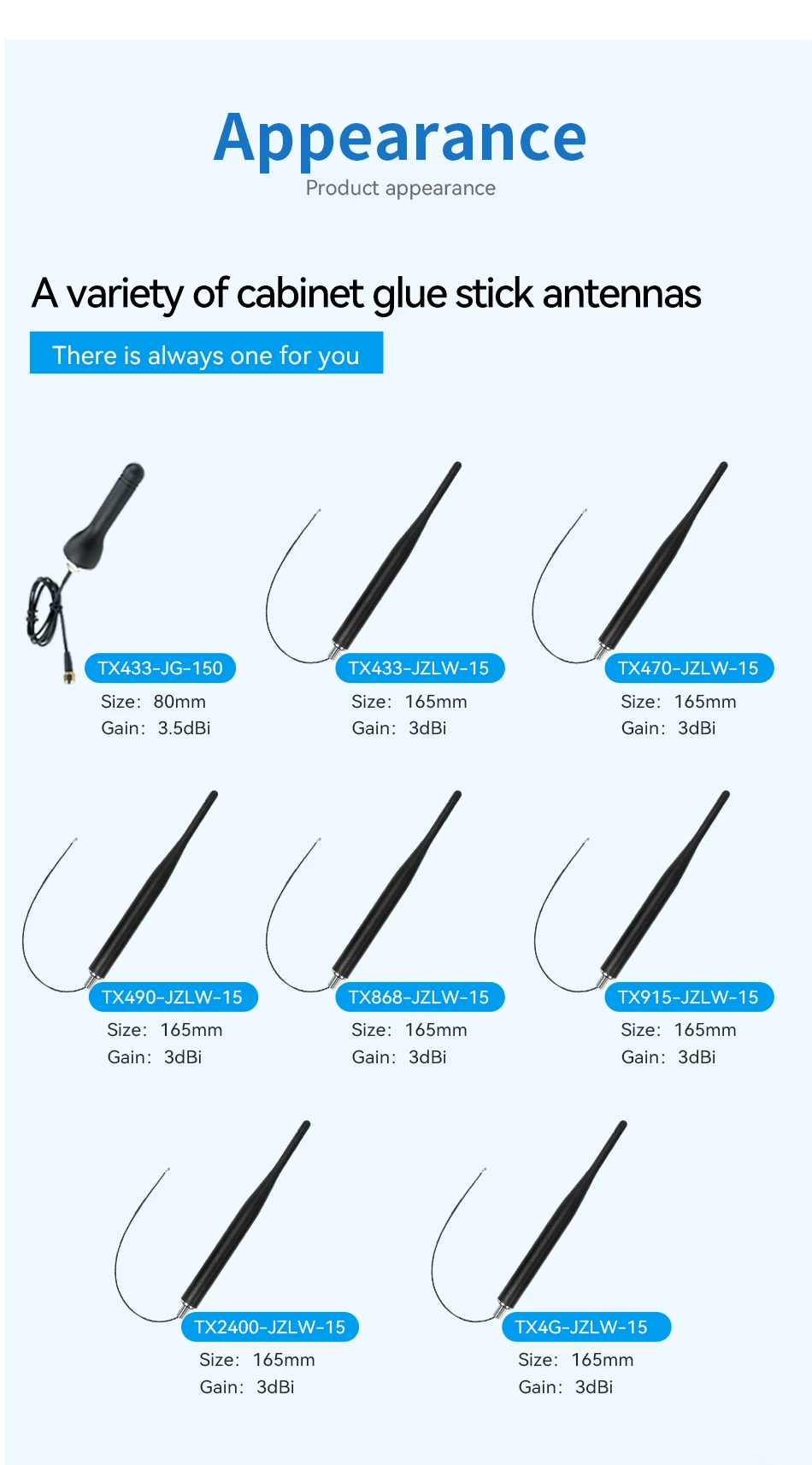

Expert Selection Guide: Form Factor & Interface
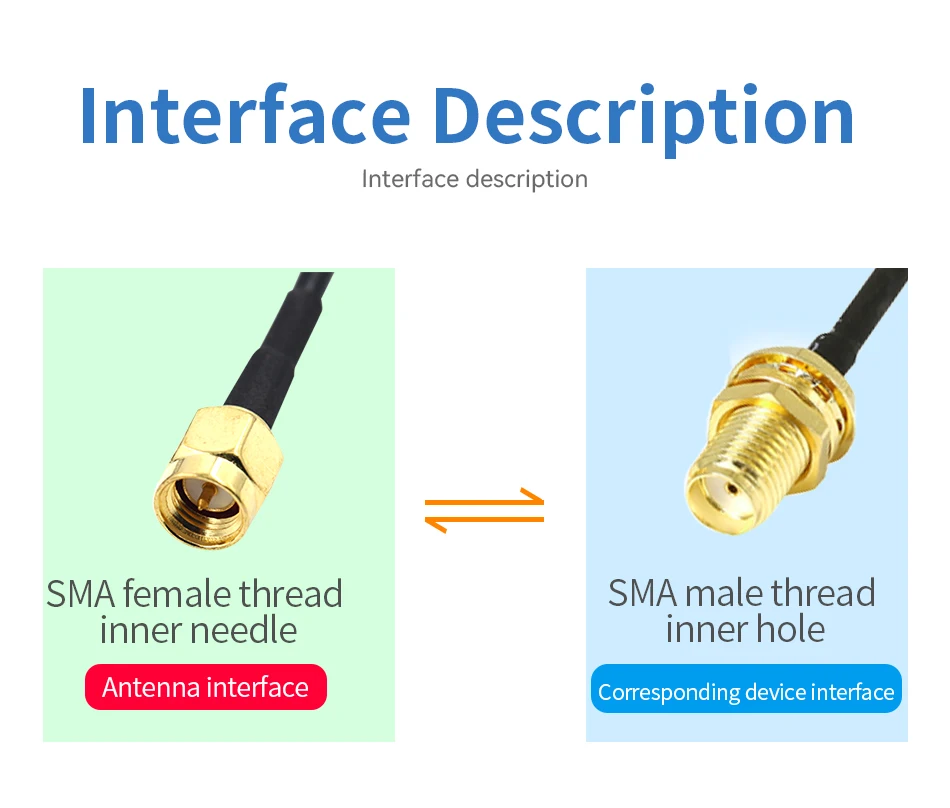
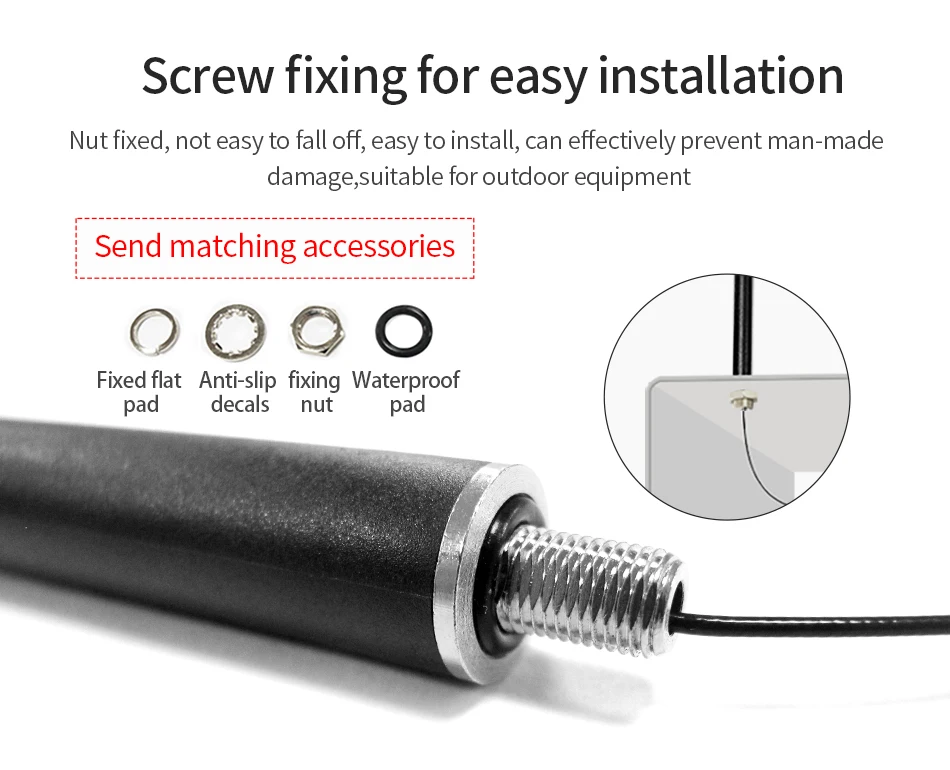
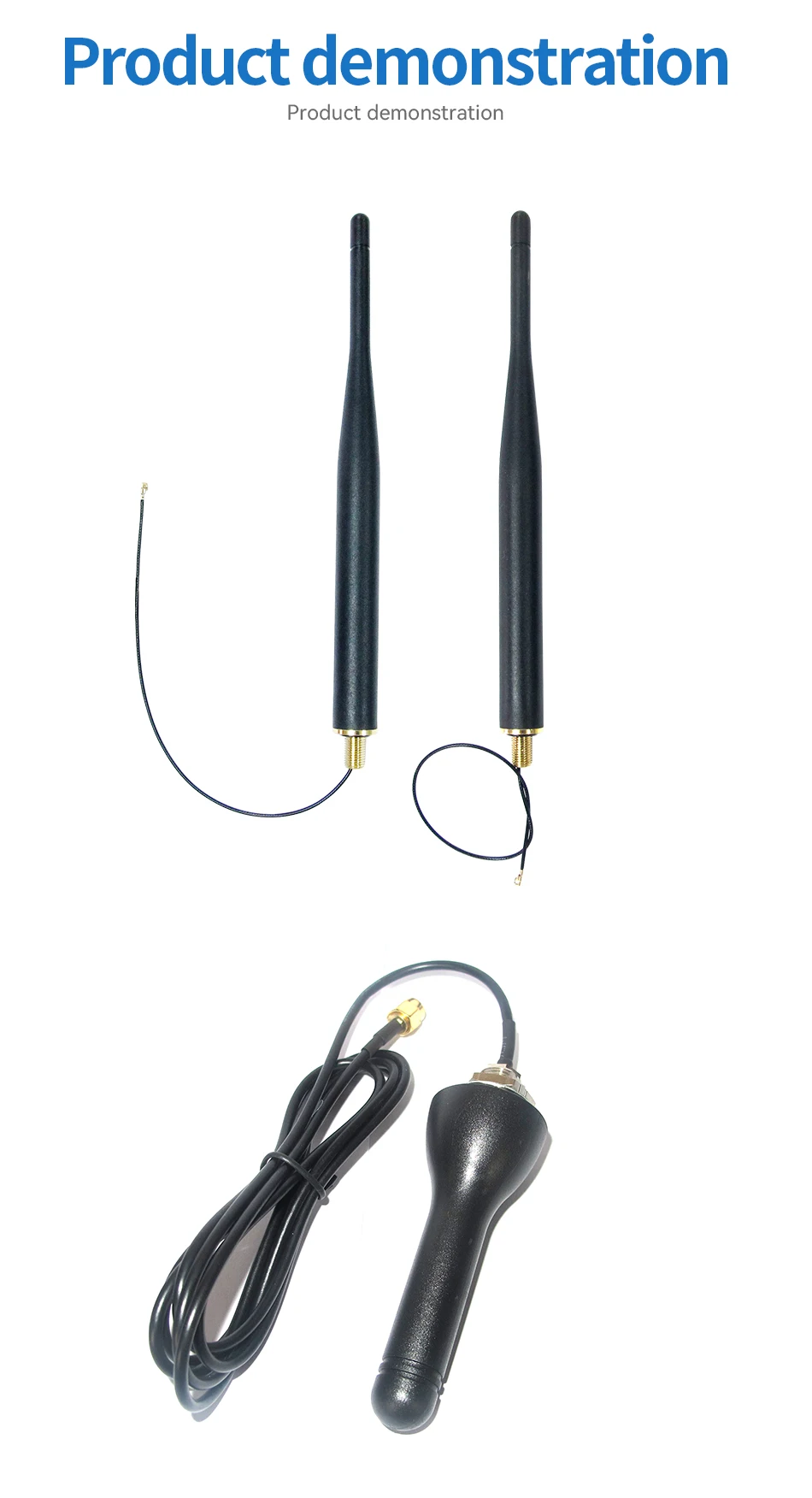
- For Direct Module/Chassis Mounting (TX915-JZ-5): The ultra-compact 52mm design with an SMA-J connector is perfect for screwing directly into a handheld LoRa node, a USB dongle, or the exterior SMA bulkhead of a small metal enclosure.
- For Cabinet & Enclosure Routing (TX915-JZLW-15): The longer 165mm "cabinet" style features an IPEX-1 (U.FL) connector on a wire lead. This allows you to snap the connector directly onto your PCB (like a Raspberry Pi HAT) while routing the antenna element outside or to a different part of your plastic enclosure for better signal clearance.
Key Technical Features
① Tuned for 915MHz Efficiency
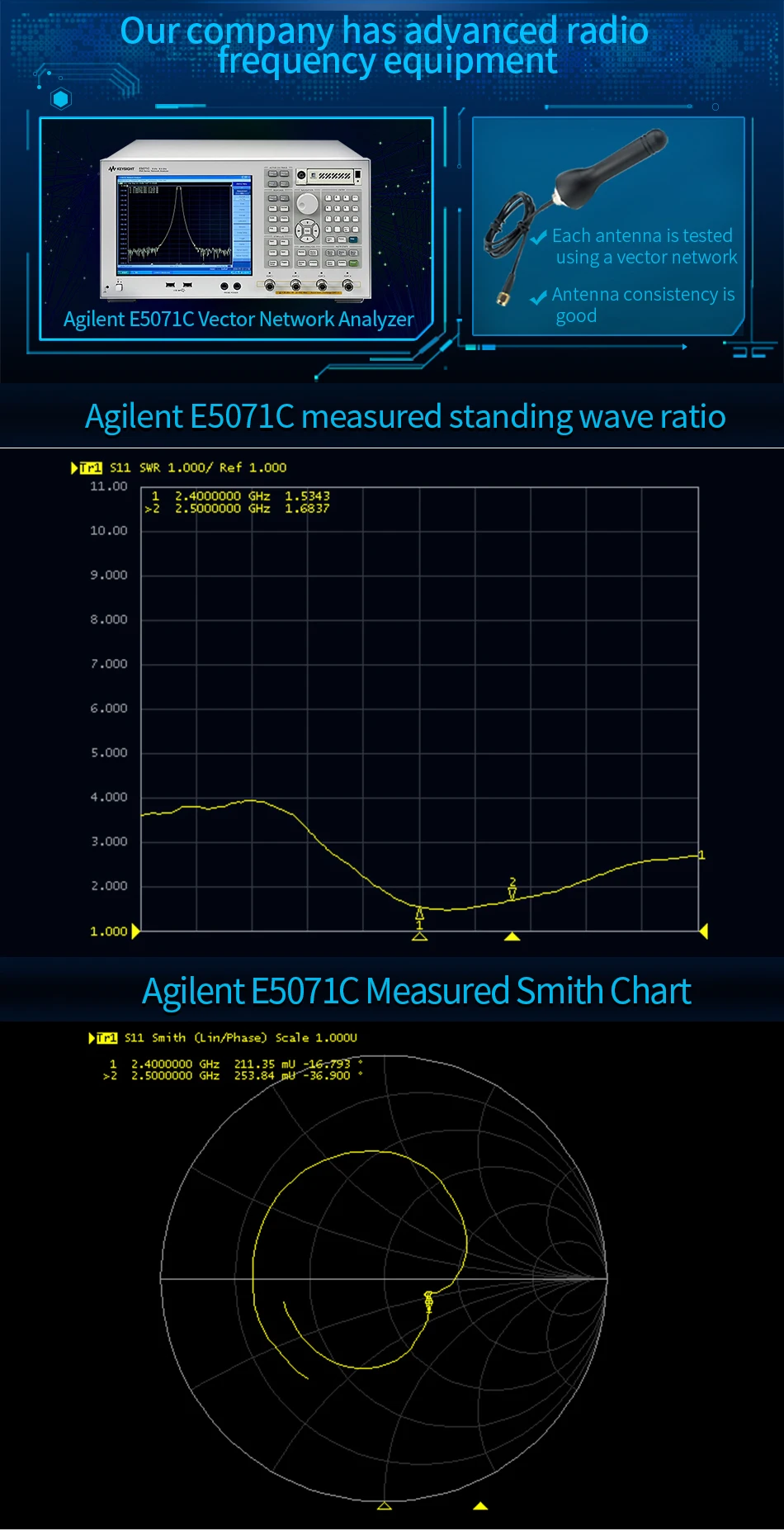
Unlike generic broad-spectrum antennas, these rubber rods are explicitly tuned to resonate at 915MHz. With a Standing Wave Ratio (SWR) of less than 1.5, they minimize power reflection back to the transmitter, ensuring your battery-powered LoRa nodes achieve their maximum advertised range.
② Durable TPE Rubber Housing
The flexible outer rubber radome protects the internal helical or copper elements from dust, light moisture, and mechanical impacts. This makes them highly suitable for consumer electronics, smart home hubs, and semi-rugged industrial sensors.
Ideal Applications
🌐 LoRaWAN Nodes
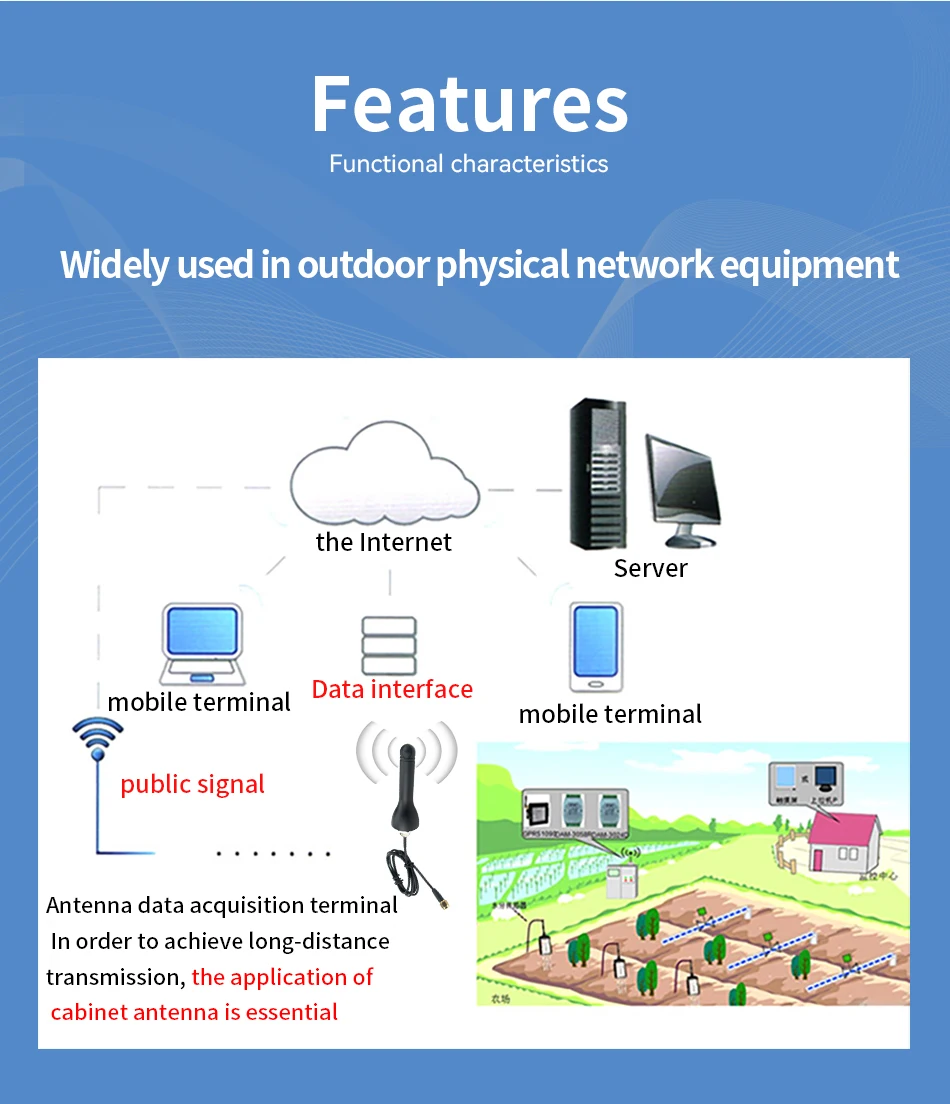
Perfect for end-device sensors (temperature, motion, door contacts) communicating with central 915MHz gateways.
🏠 Smart Home Hubs
Integration into Z-Wave or custom sub-GHz smart home controllers requiring a neat, professional external antenna.
🎈 DIY Helium Miners
A reliable starter antenna for indoor Helium (HNT) hotspots and DIY packet forwarders built on Raspberry Pi.
💻 USB Telemetry
The compact JZ-5 is ideal for 915MHz USB wireless dongles used for drone telemetry or robot control.
Frequently Asked Questions
1. Will the TX915-JZ-5 (SMA-J) fit my WiFi router?
No. Standard WiFi routers operate at 2.4GHz or 5GHz, whereas this antenna is tuned strictly for 915MHz. Furthermore, WiFi routers typically use SMA-RP (Reverse Polarity) connectors, while this antenna uses a standard SMA-J (Male) connector with an inner pin.
2. How do I connect the TX915-JZLW-15 to my Raspberry Pi LoRa HAT?
The TX915-JZLW-15 comes with an IPEX-1 (often called U.FL) connector. Most LoRa concentrator HATs for the Raspberry Pi (such as those based on the SX1302) have a matching U.FL socket on the board. You simply press the IPEX connector onto the socket until it clicks, allowing you to mount the actual antenna rod further away.
3. What is the difference between this rubber rod antenna and a fiberglass antenna?
Rubber rod antennas are designed for indoor or protected outdoor use on small devices (gateways, sensors). They are lightweight and low-gain (2-3dBi), providing a wide, spherical signal. Fiberglass antennas (like our BLG series) are heavy-duty, high-gain (up to 12dBi), and fully waterproof for permanent outdoor mast mounting to achieve long-distance links.