


cdsenet
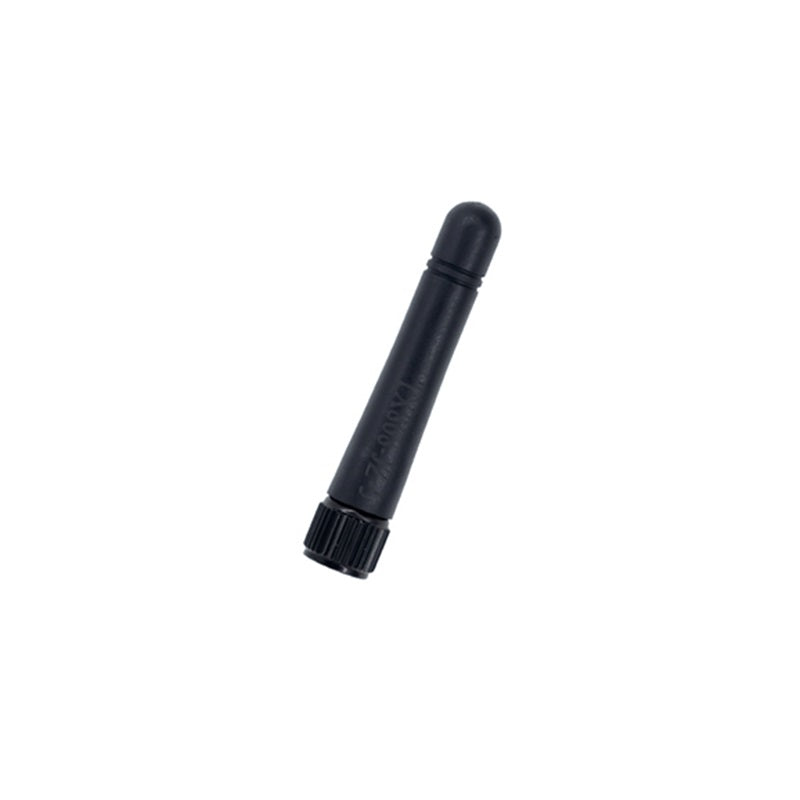
868mhz Antenna 2.0 DBi Omnidirectional Antenna SMA 3.54inch for Radio Wireless Transmitter and Receiver,Smart Home Control
868mhz Antenna 2.0 DBi Omnidirectional Antenna SMA 3.54inch for Radio Wireless Transmitter and Receiver,Smart Home Control
50 in stock
Couldn't load pickup availability
SKU:TX868-JZ-5


Product Overview
The TX868-JZ-5 is a professional-grade 868MHz built-in spring antenna, specifically designed for compact LoRa and Sub-GHz wireless modules. Featuring a 2.0 dBi gain and a high-conductivity phosphor copper radiator, it offers an ultra-compact footprint without compromising signal reliability. Its welding-type interface makes it an ideal, cost-effective solution for high-volume industrial IoT and smart device manufacturing.

Technical Specifications
| Parameter | Technical Value |
|---|---|
| Frequency Range | 848 - 888 MHz (Center 868MHz) |
| Peak Gain | 2.0 dBi |
| VSWR | ≤ 1.5 |
| Connector/Interface | Welding / Solder-type |
| Material | Phosphor Copper (Pure Copper) |
| Dimensions (H x D) | 13.0mm x 5.5mm |
| Impedance | 50 Ω |
Product Details
Pure Copper Coil Construction
Utilizing high-quality phosphor copper, the TX868-JZ-5 ensures minimal signal loss and excellent electrical conductivity, making it superior to standard alloy alternatives.

Ultra-Compact Built-in Design
With a height of only 13mm, this antenna is designed to be soldered directly onto the PCB, perfect for space-constrained IoT sensor nodes and wearables.
Professional Test Report
Verified Performance: Measured VSWR at ≤ 1.5 @ 868MHz, ensuring optimal power transfer and efficiency.


Ideal Applications
LoRa & IoT Nodes
Internal antenna for long-range LoRa modules and environmental sensors.
Smart Utility Meters
Compact wireless communication for smart water, gas, and electricity meters.
Resources
📄 Download Datasheet (PDF)FAQ
Q: Is this antenna compatible with 915MHz modules?
A: This model is specifically optimized for 868MHz. For 915MHz applications, we recommend the TX915-JZ-5 variant to ensure the best VSWR and gain.
Q: How should I install this on a PCB?
A: It should be soldered directly to the antenna output pad. For best performance, keep the antenna away from metal components and ground planes.